McLaughlin Chiropractic Associates v. McKesson Corporation
Petitioner McLaughlin Chiropractic Associates, Inc. · Respondent McKesson Corporation
- Reporter
- 606 U.S. ___ (2025)
- From
- United States Court of Appeals for the Ninth Circuit
- How it got here
- writ of <i>certiorari</i>
Does the Hobbs Act require a federal district court to accept the Federal Communication Commission’s legal interpretation of the Telephone Consumer Protection Act?
Question before the CourtWhat happened
True Health Chiropractic, Inc. and McLaughlin Chiropractic Associates, Inc. filed a class action lawsuit against McKesson Corporation and McKesson Technologies, Inc. The plaintiffs alleged that the defendants violated the Telephone Consumer Protection Act (TCPA) by sending unsolicited advertisements via fax. They claimed they neither invited nor gave permission to receive these faxes, and even if there was permission or an established business relationship, the faxes lacked the required opt-out notice. The district court initially granted summary judgment to the plaintiffs on McKesson's consent defenses. The court also decertified the proposed class and denied treble damages to the plaintiffs. McKesson appealed the summary judgment decision on their consent defenses. The plaintiffs cross-appealed the class decertification and denial of treble damages. The U.S. Court of Appeals for the Ninth Circuit reviewed the summary judgment de novo, the decertification order for abuse of discretion, and the denial of treble damages for abuse of discretion, ultimately affirming all of the district court’s decisions.
6–0.
A narrow margin — the Court split hard on this one. Read the concurrences carefully.
The opinions 2
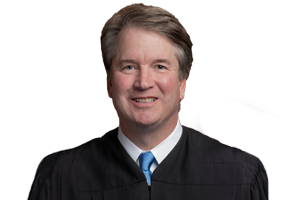
Brett M. Kavanaugh
Joined by Roberts, Thomas, Alito, Gorsuch, and Barrett.
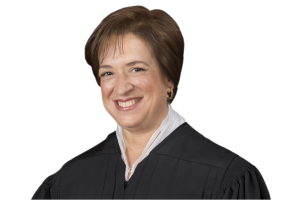
Elena Kagan
Joined by Sotomayor and Jackson.
The holding
The Hobbs Act does not preclude judicial review of an agency's statutory interpretation in district court enforcement proceedings, and district courts must independently determine whether the agency's interpretation is correct under ordinary principles of statutory interpretation. Justice Brett Kavanaugh authored the 6-3 majority opinion of the Court. Courts may grant pre-enforcement review of agency orders through three types of statutes: those that expressly preclude subsequent judicial review in enforcement proceedings (like the Clean Water Act), those that expressly authorize review in both contexts, and those that remain silent on enforcement proceedings (like the Hobbs Act). The Hobbs Act falls into the third category, which triggers a default rule allowing district courts to independently assess agency interpretations. The Administrative Procedure Act codifies this presumption of judicial review, stating that “agency action is subject to judicial review in civil or criminal proceedings for judicial enforcement” unless prior review was adequate and exclusive. The phrase “determine the validity” in the Hobbs Act refers specifically to entering declaratory judgments in pre-enforcement proceedings, not to the broader process of evaluating an agency interpretation’s correctness in enforcement actions. The Emergency Price Control Act precedent from Yakus v. United States does not control because that wartime statute contained two provisions working together: exclusive jurisdiction language plus an express prohibition against other courts considering validity. Congress chose not to include this second, prohibitive provision when enacting the Hobbs Act six years later, demonstrating its intent not to preclude enforcement-stage review. Practical concerns about potential court disagreements do not override statutory text and administrative law principles, as circuit splits followed by Supreme Court review represent the ordinary judicial process. Requiring all potentially affected parties to challenge every agency order within 60 days or lose their rights would be impractical and unfair, particularly for entities that did not exist when orders issued or had no reason to anticipate future enforcement proceedings. Justice Elena Kagan authored a dissenting opinion, joined by Justices Sonia Sotomayor and Ketanji Brown Jackson, arguing that the Hobbs Act's grant of “exclusive jurisdiction” to appellate courts to “determine the validity” of agency orders plainly precludes district courts from making such determinations in enforcement proceedings.
Argued by
- Matthew W.H. Wessler for the Petitioner
- Joseph R. Palmore for the Respondents
- Matthew Guarnieri for the United States, as amicus curiae, supporting the Respondents
Case path
- Oct 4, 2024 granted
- Jan 21, 2025 argued
- Jun 20, 2025 decided