Glossip v. Oklahoma
Petitioner Richard Eugene Glossip · Respondent Oklahoma
- Reporter
- 604 U.S. ___ (2025)
- From
- Oklahoma Court of Criminal Appeals
- How it got here
- writ of <i>certiorari</i>
May Oklahoma carry out the execution of Richard Glossip in light of the prosecutorial misconduct and other errors that affected his conviction and sentencing?
Question before the CourtWhat happened
Richard Glossip was sentenced to death for the 1997 murder of Barry Van Treese, the owner of the Oklahoma City motel where Glossip worked as a manager. Critical to Glossip’s conviction was testimony from Justin Sneed, a handyman at the hotel, who told jurors that Glossip paid him $10,000 to kill Van Treese. After Glossip’s conviction, he received information that Sneed had testified falsely about his mental health and whether he had seen a psychiatrist. Glossip asked the Oklahoma Court of Criminal Appeals to set aside his conviction, but the court rejected that request, and the state’s Pardon and Parole Board turned down Glossip’s request for clemency. All told, Glossip has spent 26 years behind bars, faced nine execution dates, and had multiple independent investigations that raised serious doubts about his conviction. Ahead of his execution date of May 18, 2023, Glossip asked the Supreme Court to stay his execution and consider whether Oklahoma violated Glossip’s constitutional rights when prosecutors suppressed evidence that their key witness was under a psychiatrist’s care; the Court granted his motion to stay and granted his petition, as well.
Cross-aisle coalition.
The split did not track the usual ideological lines — justices from both wings landed on the same side.
The opinions 3
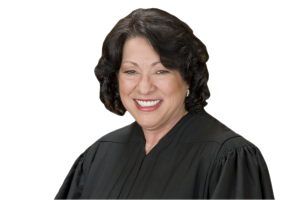
Sonia Sotomayor
Joined by Roberts, Kagan, Kavanaugh, and Jackson.

Amy Coney Barrett
Joined by Roberts, Kagan, Kavanaugh, and Jackson.
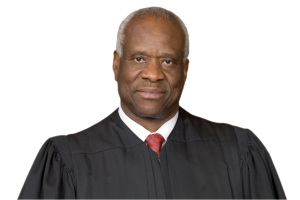
Clarence Thomas
Joined by Alito and Gorsuch.
The holding
The prosecution’s failure to correct false testimony violated the Due Process Clause under Napue v. Illinois. A conviction that relies on false evidence, knowingly allowed by the prosecution, requires reversal if there is a reasonable likelihood the falsehood affected the jury’s judgment. Justice Sonia Sotomayor authored the 6-2 majority opinion of the Court. The prosecution allowed its key witness, Justin Sneed, to provide false testimony about his mental health and medical treatment. The new evidence showed that Sneed was diagnosed with bipolar disorder and prescribed lithium, facts that were withheld from the defense. At trial, Sneed falsely claimed he was never treated by a psychiatrist and received lithium mistakenly. This falsehood was material because Sneed’s testimony was the only direct evidence implicating Glossip, and impeachment of his credibility could have influenced the jury’s decision. The prosecution had prior knowledge of Sneed’s mental health treatment and still failed to correct the misstatement when it was made to the jury. Correcting this false testimony would likely have changed the jury’s assessment of Sneed’s reliability. Additionally, the prosecution’s violations extended beyond Napue: it suppressed exculpatory evidence, interfered with witness testimony, and allowed destruction of key physical evidence. Given these cumulative errors and their impact on the fairness of the trial, Glossip is entitled to a new trial. The Oklahoma Court of Criminal Appeals’ rejection of the attorney general’s confession of error was based on a misapplication of federal law. Justice Neil Gorsuch did not participate in the consideration or decision of the case.
Argued by
- Seth P. Waxman for the Petitioner
- Paul D. Clement for the Respondent in support of the Petitioner
- Christopher G. Michel Court-appointed amicus curiae in support of the judgment below
Case path
- Jan 22, 2024 granted
- Oct 9, 2024 argued
- Feb 25, 2025 decided