Biden v. Nebraska
Petitioner Joseph R. Biden, President of the United States, et al. · Respondent Nebraska, et al.
- Reporter
- 600 U.S. ___ (2023)
- From
- United States Court of Appeals for the Eighth Circuit
- How it got here
- writ of <i>certiorari</i>
1. Do Nebraska and other states have judicial standing to challenge the student-debt relief program? 2. Does the student-debt relief program exceed the statutory authority of the U.S. Secretary of Education, or does it violate the Administrative Procedure Act?
Question before the CourtWhat happened
In 2020, then-presidential candidate Joseph Biden promised to cancel up to $10,000 of federal student loan debt per borrower. After winning the election, the Biden administration announced its intent to forgive, via executive action, $10,000 in student loans for borrowers with an annual income of less than $125,000. Nebraska and five other states challenged the forgiveness program, arguing that it violated the separation of powers and the Administrative Procedure Act. The district court dismissed the challenge, finding that the states lacked judicial standing to sue. The U.S. Court of Appeals for the Eighth Circuit enjoined the forgiveness program pending the appeal.
6–0.
A narrow margin — the Court split hard on this one. Read the concurrences carefully.
The opinions 3
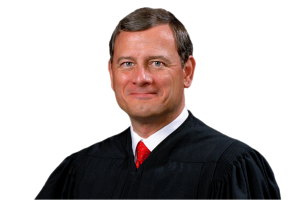
John G. Roberts Jr.
Joined by Alito, Thomas, Gorsuch, and Kavanaugh.

Amy Coney Barrett
Joined by Alito, Thomas, Gorsuch, and Kavanaugh.
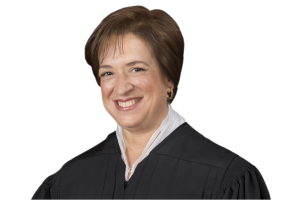
Elena Kagan
Joined by Sotomayor and Jackson.
The holding
The Secretary of Education does not have authority under the Higher Education Relief Opportunities for Students Act of 2003 (HEROES Act) to establish a student loan forgiveness program that will cancel roughly $430 billion in debt principal and affect nearly all borrowers. Chief Justice John Roberts authored the majority opinion of the Court. First, the Court concluded that Missouri has standing to challenge the student-debt relief program. Article III requires a plaintiff to have suffered an injury in fact—a concrete and imminent harm to a legally protected interest, like property or money—that is fairly traceable to the challenged conduct and likely to be redressed by the lawsuit. Here, the Secretary’s plan would cost MOHELA, a nonprofit government corporation created by Missouri to participate in the student loan market, an estimated $44 million a year in fees, and the harm to MOHELA in the performance of its public function is an injury to Missouri itself. Second, the Court determined that the HEROES Act’s authorization of the Secretary to “waive or modify” existing statutory or regulatory provisions applicable to financial assistance programs under the Education Act does not extend to canceling $430 billion of student loan principal. The Act permits the Secretary to “modify” statutory provisions but only “moderately or in minor fashion” as the term is ordinarily used. The “modifications” challenged here create a novel and fundamentally different loan forgiveness program that Congress could not have intended to permit. And the power to “waive” does not remotely resemble how such power has been used on prior occasions, where it was simply used to nullify particular legal requirements. Third, the Court rejected the Secretary’s argument that the unprecedented nature of the COVID-19 pandemic justified the unprecedented nature of the the debt cancellation plan. Citing its recent decision in West Virginia v. EPA, the Court expressed hesitance that Congress could have intended to confer such authority on the Secretary and not retain it for itself. Justice Amy Coney Barrett authored a concurring opinion. Justice Elena Kagan authored a dissenting opinion, in which Justices Sonia Sotomayor and Ketanji Brown Jackson joined.
Argued by
- Elizabeth B. Prelogar for the Petitioners
- James A. Campbell for the Respondents
Case path
- Dec 1, 2022 granted
- Feb 28, 2023 argued
- Jun 30, 2023 decided