Coinbase v. Bielski
Petitioner Coinbase, Inc. · Respondent Abraham Bielski
- Reporter
- 599 U.S. ___ (2023)
- From
- United States Court of Appeals for the Ninth Circuit
- How it got here
- writ of <i>certiorari</i>
Does a non-frivolous appeal of the denial of a motion to compel arbitration oust a district court’s jurisdiction to proceed with litigation pending appeal?
Question before the CourtWhat happened
Coinbase operates an online currency and crypto-currency exchange platform. Abraham Bielski created a Coinbase account in 2021, and shortly after opening it, he alleges that a scammer fraudulently accessed his account and stole more than $30,000 from him. Bielski alleged that Coinbase ignored his attempts at communication until he filed this lawsuit. Bielski alleged in his lawsuit—on behalf of himself and other similarly situated persons—that Coinbase, is a “financial institution” within the meaning of the Electronic Funds Transfer Act (EFTA), and that it fails to comply with its responsibilities under the EFTA, including conducting a timely and good-faith investigation of fraudulent transfers. Coinbase moved to compel arbitration based on its user agreement, and the district court denied the motion to compel on the grounds that the arbitration clause and delegation clause were unconscionable. On appeal, the U.S. Court of Appeals for the Ninth Circuit denied Coinbase’s motion to stay.
5–0.
A narrow margin — the Court split hard on this one. Read the concurrences carefully.
The opinions 2
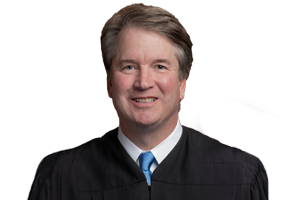
Brett M. Kavanaugh
Joined by Roberts, Alito, Gorsuch, and Barrett.

Ketanji Brown Jackson
Joined by Thomas, Sotomayor, and Kagan.
The holding
A district court must stay its proceedings while an interlocutory appeal taken pursuant to 9 U. S. C. §16(a) on the question of arbitrability is ongoing. Justice Brett Kavanaugh authored the 5-4 majority opinion of the Court. The Court recognized in Griggs v. Provident Consumer Discount Co., 459 U.S. 56 (1982) that an appeal, including an interlocutory appeal, “divests the district court of its control over those aspects of the case involved in the appeal.” The Griggs principle controls the outcome of this case. If district courts could proceed while an appeal on arbitrability is ongoing, the benefits of arbitration, such as efficiency and reduced costs, would be lost and parties could feel pressured to settle to avoid district court proceedings they initially sought to avoid through arbitration. Justice Ketanji Brown Jackson authored a dissenting opinion, in which Justices Sonia Sotomayor and Elena Kagan joined, and in which Justice Clarence Thomas joined in part. Justice Jackson pointed out that when a federal court of appeals conducts interlocutory review of a trial court order, the rest of the case remains at the trial court level for the trial judge to make particularized determinations at their discretion. Justice Jackson argued that this discretionary decision-making process promotes procedural fairness, and there is no reason to remove that discretion in this case.
Argued by
- Neal Kumar Katyal for the Petitioner
- Hassan A. Zavareei for the Respondent
Case path
- Dec 9, 2022 granted
- Mar 21, 2023 argued
- Jun 23, 2023 decided