303 Creative LLC v. Elenis
Petitioner 303 Creative LLC · Respondent Aubrey Elenis, et al.
- Reporter
- 600 U.S. ___ (2023)
- From
- United States Court of Appeals for the Tenth Circuit
- How it got here
- writ of <i>certiorari</i>
Does application of the Colorado AntiDiscrimination Act to compel an artist to speak or stay silent violate the Free Speech Clause of the First Amendment?
Question before the CourtWhat happened
Lorie Smith is the owner and founder of a graphic design firm, 303 Creative LLC. She wants to expand her business to include wedding websites. However, she opposes same-sex marriage on religious grounds so does not want to design websites for same-sex weddings. She wants to post a message on her own website explaining her religious objections to same-sex weddings. The Colorado AntiDiscrimination Act (“CADA”) prohibits businesses that are open to the public from from discriminating on the basis of numerous characteristics, including sexual orientation. The law defines discrimination not only as refusing to provide goods or services, but also publishing any communication that says or implies that an individual’s patronage is unwelcome because of a protected characteristic. Even before the state sought to enforce CADA against her, Smith and her company challenged the law in federal court, alleging numerous constitutional violations. The district court granted summary judgment for the state, and the U.S. Court of Appeals for the Tenth Circuit affirmed.
6–0.
A narrow margin — the Court split hard on this one. Read the concurrences carefully.
The opinions 2
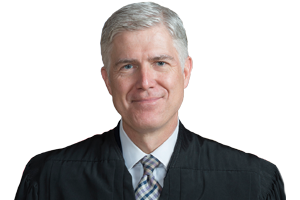
Neil Gorsuch
Joined by Roberts, Thomas, Alito, Kavanaugh, and Barrett.
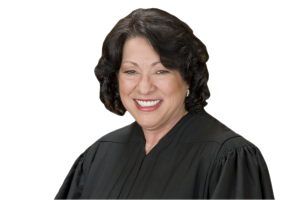
Sonia Sotomayor
Joined by Kagan and Jackson.
The holding
The First Amendment prohibits Colorado from forcing a website designer to create expressive designs that convey messages with which the designer disagrees. Justice Neil Gorsuch authored the 6-3 majority opinion of the Court. The First Amendment exists to protect an “uninhibited marketplace of ideas” and individual liberty, which means the government generally cannot compel a person to espouse its preferred messages. The wedding websites Lorie Smith seeks to create in this case are “protected First Amendment speech.” Colorado's law, intending to enforce non-discrimination, would compel her to express messages contrary to her beliefs. Although public accommodations play a key role in promoting civil rights, these laws must bow to constitutional imperatives and cannot be used to compel individuals to express messages they disagree with. Justice Sonia Sotomayor authored a dissenting opinion, in which Justices Elena Kagan and Ketanji Brown Jackson joined, lamenting that, “the Court, for the first time in its history, grants a business open to the public a constitutional right to refuse to serve members of a protected class.”
Argued by
- Kristen Kellie Waggoner for the Petitioners
- Eric R. Olson for the Respondents
- Brian H. Fletcher for the United States, as amicus curiae, supporting the Respondents
Case path
- Feb 22, 2022 granted
- Dec 5, 2022 argued
- Jun 30, 2023 decided