Moore v. Harper
Petitioner Timothy K. Moore, in His Official Capacity as Speaker of the North Carolina House of Representatives, et al. · Respondent Rebecca Harper, et al.
- Reporter
- 600 U.S. ___ (2023)
- From
- North Carolina Supreme Court
- How it got here
- writ of <i>certiorari</i>
Under the U.S. Constitution, does the state legislative body, independent of any constraints by state courts or other laws, have sole authority to regulate federal elections?
Question before the CourtWhat happened
After the 2020 Census, in which North Carolina gained an additional seat in the U.S. House of Representatives and thus required redistricting of the state, North Carolina’s Republican-majority state legislature passed a partisan gerrymander. The map was challenged in state court, and in February 2022, the North Carolina Supreme Court struck down the map for violating the state constitution’s “free elections clause” and other provisions. The legislature proposed a second gerrymandered map, so the court ordered a special master to create a map for the 2022 congressional elections. The legislators asked the U.S. Supreme Court to review based on an argument that the Elections Clause of the U.S. Constitution gives state legislatures alone the authority to regulate federal elections—the so-called Independent State Legislature theory.
Cross-aisle coalition.
The split did not track the usual ideological lines — justices from both wings landed on the same side.
The opinions 3
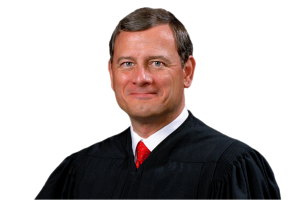
John G. Roberts Jr.
Joined by Sotomayor, Kagan, Barrett, and Jackson.
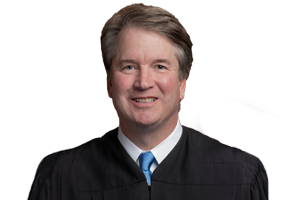
Brett M. Kavanaugh
Joined by Sotomayor, Kagan, Barrett, and Jackson.
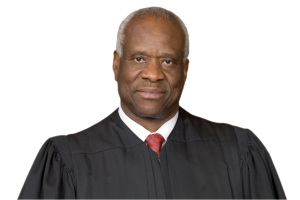
Clarence Thomas
Joined by Gorsuch and Alito.
The holding
The Federal Elections Clause does not vest exclusive and independent authority in state legislatures to set the rules regarding federal elections. Chief Justice John Roberts authored the 6-3 majority opinion of the Court. First, the Court confirmed that it had jurisdiction to review the case. The North Carolina Supreme Court’s decision to overrule its previous judgment did not moot the case because there remains a live dispute between the parties. Second, the Court concluded that the Elections Clause does not grant state legislatures exclusive authority to regulate federal elections. Judicial review has been an accepted practice since Marbury v. Madison, and under the Court’s precedents, the Elections Clause authority of state legislatures is subject to checks and balances provided by the state constitution. State legislatures are not wholly independent bodies, and they are bound by the constraints imposed by the state constitutions. Third, state courts have the authority to interpret state laws affecting federal elections, but they cannot sidestep federal law. The Court declined to decide whether the North Carolina Supreme Court in this case overstepped its authority because that issue was not properly before it. Justice Brett Kavanaugh authored a concurring opinion noting that while the Court need not answer the question of which standard a federal court should employ to review a state court’s interpretation of state law in a case implicating the Elections Clause, there are three standards from which to choose that all convey the same point—deference but not abdication. Justice Clarence Thomas authored a dissenting opinion, in which Justices Neil Gorsuch and Samuel Alito joined, arguing that the question presented in the case was moot, and that the writ of certiorari should be dismissed.
Argued by
- David H. Thompson for the Petitioners
- Neal Kumar Katyal for the Private Respondents
- Donald B. Verrilli, Jr. for the State Respondents
- Elizabeth B. Prelogar for the United States, as amicus curiae, supporting the Respondents
Case path
- Jun 30, 2022 granted
- Dec 7, 2022 argued
- Jun 27, 2023 decided