Federal Election Commission v. Ted Cruz for Senate
Petitioner Federal Election Commission · Respondent Ted Cruz for Senate, et al.
- Reporter
- 596 U.S. ___ (2022)
- From
- Federal district court
- How it got here
- writ of <i>certiorari</i>
Do appellees have standing to challenge the statutory loan-repayment limit of 52 U.S.C. § 30116(j), and does the limit unconstitutionally burden political speech without justification?
Question before the CourtWhat happened
The day before Election Day in 2018, Senator Ted Cruz loaned Ted Cruz for Senate (“Cruz Committee”) two campaign finance loans totaling $260,000. After Election Day, the Cruz Committee used the funds it had on hand to pay vendors and meet other obligations instead of repaying the loans to Senator Cruz. Section 304 of the Bipartisan Campaign Reform Act and its implementing regulations place a $250,000 limit on the amount of post-election contributions that may be used to pay back a candidate's pre-election loans more than 20 days after Election Day. After 20 days had elapsed, the balance of those loans that exceeded BCRA's $250,000 statutory cap on post-election contributions ($10,000)—converted into a campaign contribution. The Cruz Committee filed a lawsuit seeking to invalidate and enjoin enforcement of Section 304 of the Bipartisan Campaign Reform Act and its implementing regulations as violating constitutional and administrative laws. A three-judge court ruled for Cruz, finding that the restrictions place a burden on political speech without adequate justification.
6–0.
A narrow margin — the Court split hard on this one. Read the concurrences carefully.
The opinions 2
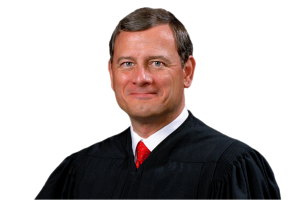
John G. Roberts Jr.
Joined by Thomas, Alito, Gorsuch, Kavanaugh, and Barrett.
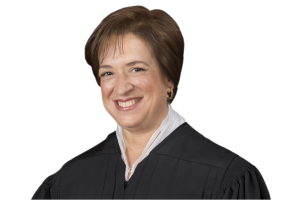
Elena Kagan
Joined by Breyer and Sotomayor.
The holding
Appellees have standing to challenge Section 304 of the Bipartisan Campaign Reform Act of 2002, and that section—which limits the amount of post-election contributions that may be used to repay a candidate who lends money to his own campaign—violates the First Amendment rights of candidates and their campaigns to engage in political speech. Chief Justice John Roberts authored the 6-3 majority opinion of the Court. As to standing, appellee’s injuries are directly inflicted by the Federal Election Commission’s (FEC’s) threatened enforcement of the provisions at issue. That appellees intentionally triggered the application of the provisions does not undermine their standing to challenge them. Additionally, although the jurisdiction of a three-judge district court is limited to actions challenging the enforcement of a statute (as opposed to a regulation), the enforcement is traceable to the operation of the statute itself. Thus, the appellees may challenge the FEC’s threatened enforcement of the loan-repayment limitation through its implementing regulation. As to the merits, the loan-repayment limitation burdens candidates who wish to make expenditures on behalf of their own candidacy through personal loans. By seeking to deter candidates from loaning money to their campaigns, Section 304 raises a barrier to entry thus abridging political speech. The Government fails to describe how the limitation furthers a permissible interest—namely, the prevention of “quid pro quo” corruption or its appearance. Although the Government argues that the types of contributions at issue raise a heightened risk of corruption because they are used to repay a candidate’s personal loans, it does not identify a single case of quid pro quo corruption as a result of these types of contributions. Justice Elena Kagan authored a dissenting opinion, in which Justices Stephen Breyer and Sonia Sotomayor joined. Justice Kagan argued that the majority overstates the the First Amendment burdens Section 304 imposes and understates the anticorruption values Section 304 serves. Because the regulated transactions personally enrich those already elected to office, they threaten both corruption and the appearance of corruption, “bring[ing] this country’s political system into further disrepute.”
Argued by
- Malcolm L. Stewart for the Appellant
- Charles J. Cooper for the Appellees
Case path
- Sep 30, 2021 granted
- Jan 19, 2022 argued
- May 16, 2022 decided