Johnson v. Guzman Chavez
Petitioner Tae D. Johnson, Acting Director of U.S. Immigration and Customs Enforcement, et al. · Respondent Maria Angelica Guzman Chavez, et al.
- Reporter
- 594 U.S. ___ (2021)
- From
- United States Court of Appeals for the Fourth Circuit
- How it got here
- writ of <i>certiorari</i>
Are the respondents—who were subject to reinstated removal orders, but with pending claims for withholding of removal—detained under 8 U.S.C. § 1226 or under 8 U.S.C. § 1231?
Question before the CourtWhat happened
Respondents are a class of noncitizens subject to reinstated removal orders, which generally are not open to challenge. However, if a noncitizen has a reasonable fear of persecution or torture in the countries designated in their removal orders, the person may pursue withholding of removal. That is the remedy the respondents in this case sought, and they are being detained by the government while they await the outcome of those withholding-only proceedings. The respondents requested individualized bond hearings, which could lead to their release during the withholding-only proceedings. The government argued that they are not entitled to individualized bond hearings because they were subject to mandatory detention under 8 U.S.C. § 1231, and bond hearings were denied. The noncitizens argued that 8 U.S.C. § 1226, rather than 8 U.S.C. § 1231, governs their detention. Section 1226 provides for detention "pending a decision on whether the alien is to be removed from the United States" and allows for discretionary release on bond. The district court ruled in favor of the noncitizens, finding that the text of the two statutes made clear that § 1226 applied. The court held that § 1231 does not come into play until the government has “the present and final legal authority to actually execute that order of removal.” A divided three-judge panel of the U.S. Court of Appeals for the Fourth Circuit affirmed.
6–0.
A narrow margin — the Court split hard on this one. Read the concurrences carefully.
The opinions 3

Samuel A. Alito Jr.
Joined by Roberts, Gorsuch, Kavanaugh, and Barrett.
Stephen G. Breyer
Joined by Sotomayor and Kagan.
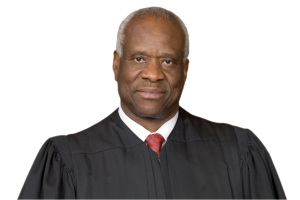
Clarence Thomas
Joined by Roberts, Gorsuch, Kavanaugh, and Barrett.
The holding
Section §1231, not §1226, governs the detention of aliens subject to reinstated orders of removal. Justice Samuel Alito authored the majority opinion of the Court. Section 1231 authorizes detention “when an alien is ordered removed” and enters the “removal period,” which begins on “[t]he date the order of removal becomes administratively final.” The presence of the word “administratively,” means DHS does not need to wait for the alien to seek or exhaust judicial review of that order. Even if the alien pursues withholding-only relief, the removal order remains in full force, and DHS retains the authority to remove the alien to any other authorized country. The validity of removal orders is not affected by the outcome of withholding-only proceedings. The statutory structure confirms this interpretation. Justice Clarence Thomas authored an opinion, joined by Justice Neil Gorsuch, concurring except as to the majority’s determination that it has jurisdiction to review the decision below. Justice Thomas argued that the Court lacks jurisdiction to hear challenges to detention during the removal process but otherwise agreed with the majority’s opinion. Justice Stephen Breyer authored a dissenting opinion in which Justices Sonia Sotomayor and Elena Kagan joined. Justice Breyer argued that it is unreasonable to infer, and statutory language does not support, that Congress intended to deny a bond hearing to individuals who reasonably fear persecution or torture, and who, as a result, face proceedings that may last for many months or years.
Argued by
- Vivek Suri Assistant to the Solicitor General, on behalf of the Petitioners
- Paul W. Hughes on behalf of the Respondents
Case path
- Jun 15, 2020 granted
- Jan 11, 2021 argued
- Jun 29, 2021 decided